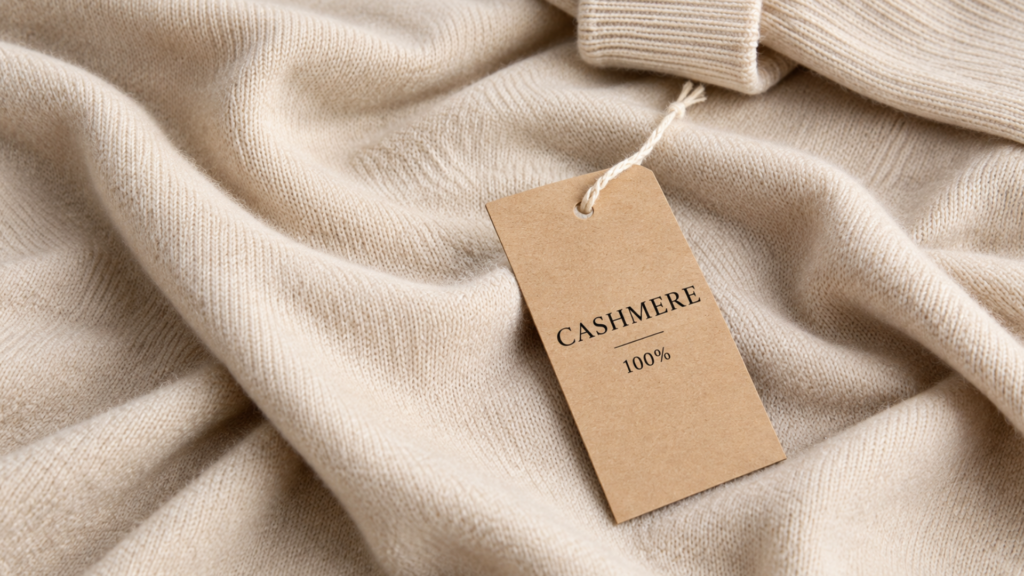
Scotland has earned a respected place in the luxury textile industry through its long-standing tradition of fine wool, premium knitwear, and exceptional fabric finishing. For shoppers seeking Scotland cashmere brands, the appeal goes beyond a famous name or an expensive label. Scottish cashmere is associated with carefully developed textile skills, elegant designs, and accessories that can remain fashionable for years. From soft cashmere scarves and classic jumpers to beautifully constructed cardigans, these products combine everyday comfort with understated sophistication.
What makes cashmere so appealing? Its fine fibres can create a fabric that feels soft against the skin while providing warmth without the bulk of heavier winter materials. However, the finished product depends on much more than the fibre alone. Spinning, knitting, weaving, washing, and finishing all influence how a garment feels and performs. Scottish manufacturers have developed expertise in these processes over generations, with established mills combining traditional techniques and modern production methods. Johnstons of Elgin, for example, traces its history to 1797 and continues to manufacture cashmere and fine wool products in Scotland.
Whether you are searching for a premium scarf, a timeless jumper, or an elegant gift, understanding the differences between cashmere brands can help you make a more informed choice. This guide explores leading Scottish heritage names, selected luxury knitwear products, the qualities that define premium cashmere, and practical ways to choose pieces that suit your style and budget.
Why Are Scotland Cashmere Brands Famous Around the World?
Scotland’s reputation for quality knitwear has developed through centuries of textile manufacturing, specialist knowledge, and attention to detail. Areas such as the Scottish Borders have a particularly strong association with wool and knitwear production. Experienced textile workers understand how different fibres behave during processing and how spinning, weaving, knitting, and finishing affect the final fabric. These skills matter because premium knitwear must do more than look attractive on a product page; it should also feel comfortable, retain its shape with appropriate care, and perform well in everyday use.
One important example is Johnstons of Elgin, a Scottish manufacturer whose history stretches back to the late eighteenth century. Its own account of its heritage describes how the business expanded into fine fibres, including cashmere, during the nineteenth century. The company also operates mills in Elgin and Hawick, bringing multiple manufacturing stages together within its Scottish production network.
This kind of manufacturing experience helps explain why Scottish-made knitwear attracts customers who appreciate the combination of traditional expertise and modern design.
Another reason Scottish cashmere brands remain appealing is their ability to balance heritage with contemporary wardrobes. Traditional checks, neutral scarves, classic crew-neck jumpers, and refined cardigans can all be styled in modern ways without losing their timeless character. A well-chosen cashmere scarf can complement a winter coat, while a simple jumper can work with tailored trousers, jeans, or a skirt. These pieces are not restricted to special occasions; they can become reliable parts of an everyday wardrobe.
Nevertheless, a Scottish association should not automatically be treated as proof that every item is manufactured in Scotland. Brands may source fibres internationally, produce different product lines in different countries, or specialise in design and retail rather than manufacturing. Buyers should look for explicit information about where each garment is made, what fibres it contains, and how it is constructed. This distinction is particularly important when comparing luxury products with different price tags.
What Makes Cashmere Made in Scotland So Special?
Cashmere is valued for its fine texture, warmth, and lightweight feel. The fibre comes from the soft undercoat of cashmere goats, which are raised in several regions, including Mongolia and parts of China and Central Asia. It is therefore important to distinguish the origin of the raw fibre from the location where a finished garment is manufactured. A jumper made in Scotland may use imported cashmere fibre, while a cashmere garment made elsewhere may also use high-quality raw material. The country of manufacture tells you something about the production location, but it does not independently establish the quality of the fibre.
The manufacturing process helps determine how the material feels and performs. Spinning converts prepared fibres into yarn, and the quality of that yarn influences the texture and consistency of the finished fabric. Knitting and weaving determine the structure, thickness, stretch, and drape, while washing and finishing can influence softness and appearance. Scottish mills with established expertise can bring considerable experience to these stages. Johnstons of Elgin describes its integrated manufacturing approach as including dyeing, spinning, weaving, and finishing at its Scottish mills.
High-quality cashmere should feel pleasant against the skin, provide useful warmth, and suit the intended purpose of the garment. Yet softness alone is not a complete quality test. Extremely soft fabric may still pill or lose shape if its fibres, yarn construction, or garment structure are unsuitable for regular wear. Similarly, a lightweight scarf may be excellent for layering without being the warmest choice for severe winter conditions. Look for clear fibre information, secure seams, even knitting, neat edges, and appropriate care instructions.
When evaluating cashmere made in Scotland, consider three factors together: the quality and origin of the fibre, the expertise behind manufacturing, and the design and construction of the finished product. This approach is more reliable than choosing solely by country name or brand prestige. It also helps you compare Scottish-made garments with premium cashmere products manufactured in Italy, Mongolia, China, and other regions.
Top Scotland Cashmere Brands for Timeless Sophistication
The following selection features eight cashmere and knitwear products from different retailers and labels. Some are associated with Scottish textile heritage, while others are international luxury or specialist knitwear options. They are not all Scottish manufacturers, so use the product descriptions and official brand information to distinguish Scottish-made items from products that simply belong to the wider luxury cashmere market.
1. Johnstons of Elgin: Bay White Marl Cashmere & Cotton Jumper
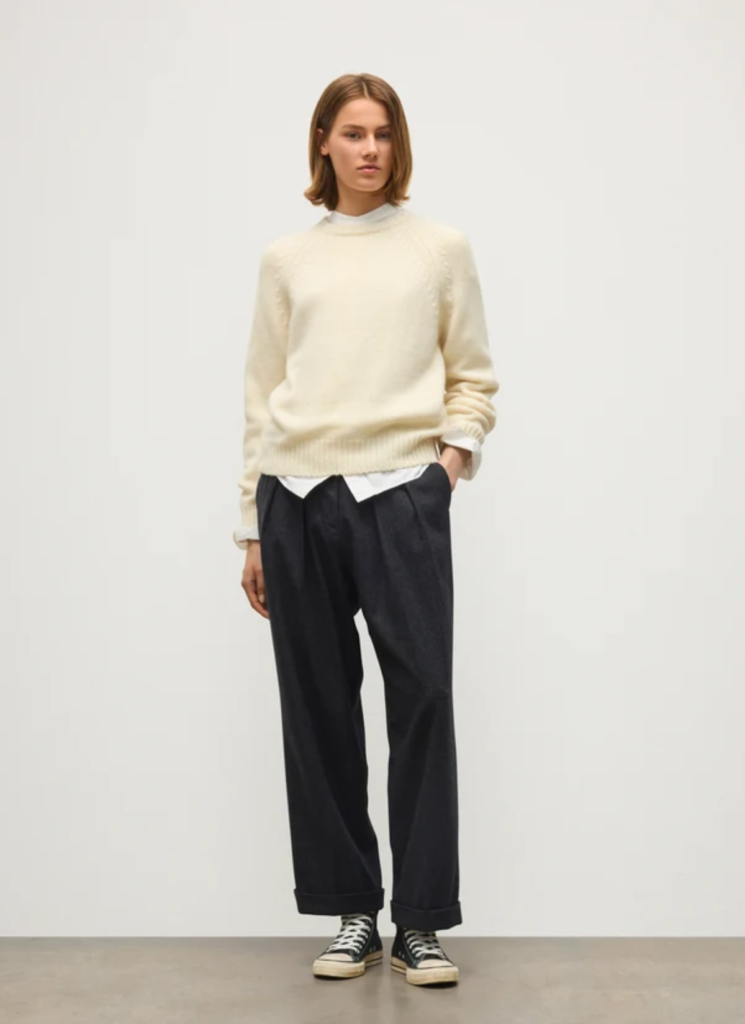
Johnstons of Elgin is one of the best-known names associated with Scottish cashmere manufacturing. Its long history and continued Scottish mill operations make it a natural starting point for shoppers interested in heritage knitwear. The Bay White Marl Cashmere & Cotton Jumper combines cashmere with cotton, offering an alternative to a jumper made entirely from cashmere. The retailer’s product information lists a composition of 78% cashmere and 22% cotton, alongside raglan sleeves, a ribbed finish, and a crew-neck silhouette. The listed design is made in Scotland.
The cotton component creates a different fabric character from pure cashmere, making this an interesting option for people who appreciate mixed-fibre knitwear. Its light, neutral appearance can work with dark denim, tailored trousers, wool skirts, or a structured coat. The simple neckline also makes it easy to layer over a shirt or wear on its own. This jumper is particularly suitable for shoppers who value established Scottish manufacturing and a refined, contemporary silhouette.
2. Edinburgh Cashmere: DC Edinburgh Cashmere Scarf Camel and Cream
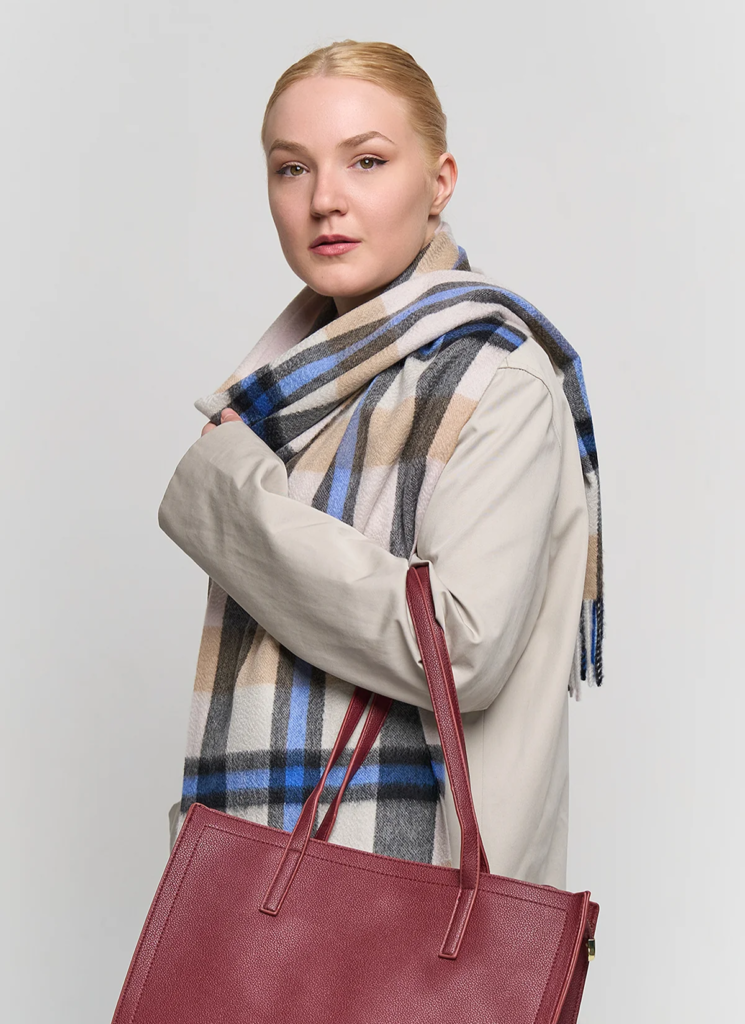
The DC Edinburgh Cashmere Scarf Camel and Cream is a classic-looking option for shoppers who enjoy neutral colours and patterned accessories. Camel and cream create a versatile combination that works with beige coats, navy outerwear, black knitwear, and other understated winter clothing. A checked scarf can add texture to an outfit without making it feel overly complicated, which is useful if your wardrobe focuses on simple silhouettes and timeless colours.
The supplied product is listed by Edinburgh Cashmere, while the retailer’s broader DC Scott collection includes cashmere and lambswool options. Check the exact product page carefully to confirm the composition of the camel-and-cream design before ordering, because similarly named colourways can use different materials. For comparison, a related DC Edinburgh Cashmere scarf in camel is listed as 100% pure extra-fine cashmere, measuring 175 × 30 cm and priced at £175 when checked in the available listing. That price applies to the related product, not necessarily the exact camel-and-cream version.
This style is worth considering if you want a scarf that can be worn regularly rather than saved for special occasions. It can also make an appealing gift for someone who prefers understated accessories. Review the current composition, size, price, and care instructions on the exact product page.
3. Orwell + Austen: Smile Cashmere Blend Socks
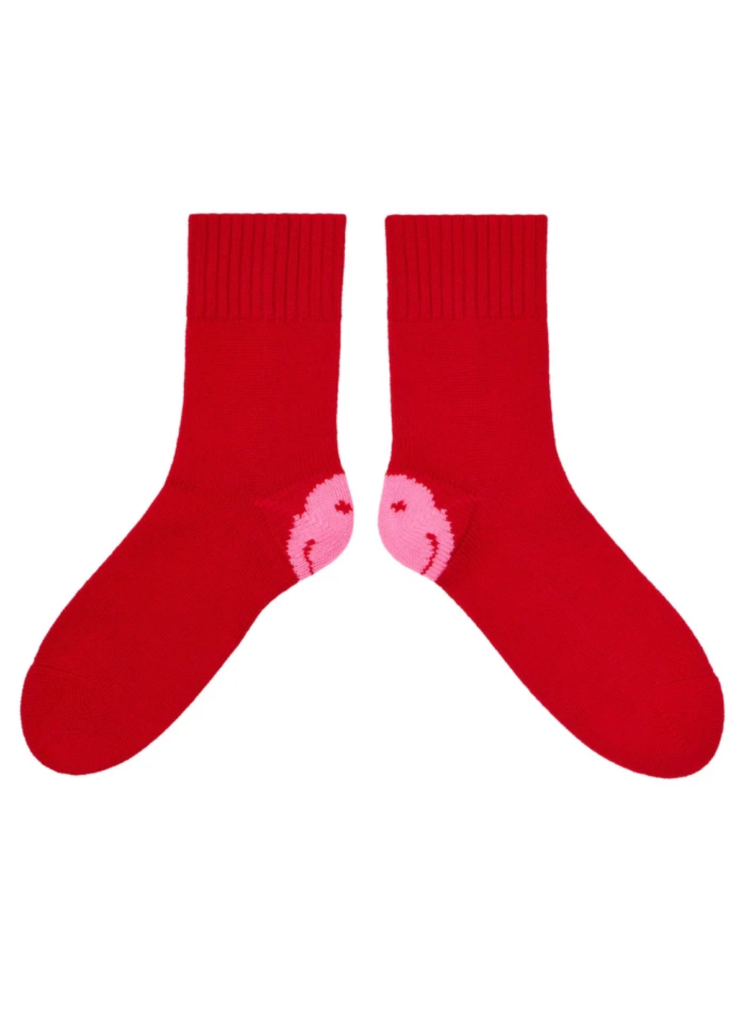
Orwell + Austen offers a different approach to luxury accessories with the Smile Cashmere Blend Socks in red. Instead of investing in a scarf or jumper, this product brings cashmere into an everyday essential. Socks are useful for gifting because they combine practicality with a small touch of luxury, and a colourful design can introduce personality without requiring a major change to someone’s wardrobe.
The phrase “cashmere blend” is important here. It indicates that cashmere is combined with other fibres, so shoppers should check the product listing for the exact composition rather than assume that the socks are made entirely from cashmere. Blend percentages can influence softness, stretch, durability, warmth, and care requirements. Red also makes the design a more playful choice than conventional neutral accessories, especially for a birthday or winter gift.
This is not a Scottish cashmere manufacturer simply because the product contains cashmere; it belongs in this selection as a related luxury accessory. It is particularly relevant to shoppers who want to explore cashmere beyond traditional knitwear.
4. Scott Cashmere: Women’s Cardigan Exclusive Design – Cream
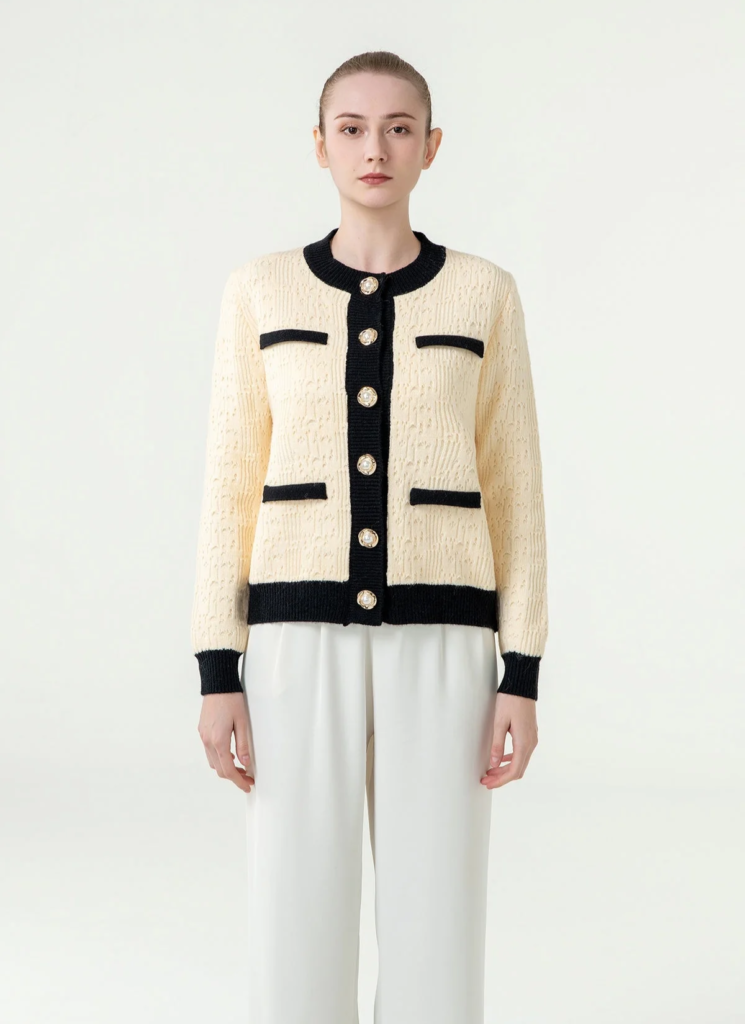
Scott Cashmere is another label to explore when comparing cashmere-inspired accessories and knitwear. The Women’s Cardigan Exclusive Design in Cream offers a classic colour that can work across multiple seasons. Cream knitwear pairs easily with black trousers, blue jeans, neutral skirts, and layered winter outfits, making it a practical choice for shoppers who prefer clothing that can be styled in several ways.
A cardigan is especially useful because it offers flexibility throughout the day. You can wear it over a lightweight top, layer it beneath a coat, or keep it nearby when indoor temperatures change. The cream colour also makes it suitable for a wardrobe built around soft neutrals and understated elegance. Before buying, check the product’s exact fibre composition, fastening, fit, and care instructions. Do not assume a garment is pure cashmere unless the retailer clearly states that it is.
For anyone exploring Scotland cashmere brands, this product provides a useful comparison point alongside established Scottish mill manufacturers and international labels. Its suitability ultimately depends on the material, construction, and fit confirmed by the current listing.
5. Pure Collection: Cashmere Crew Neck Cardigan
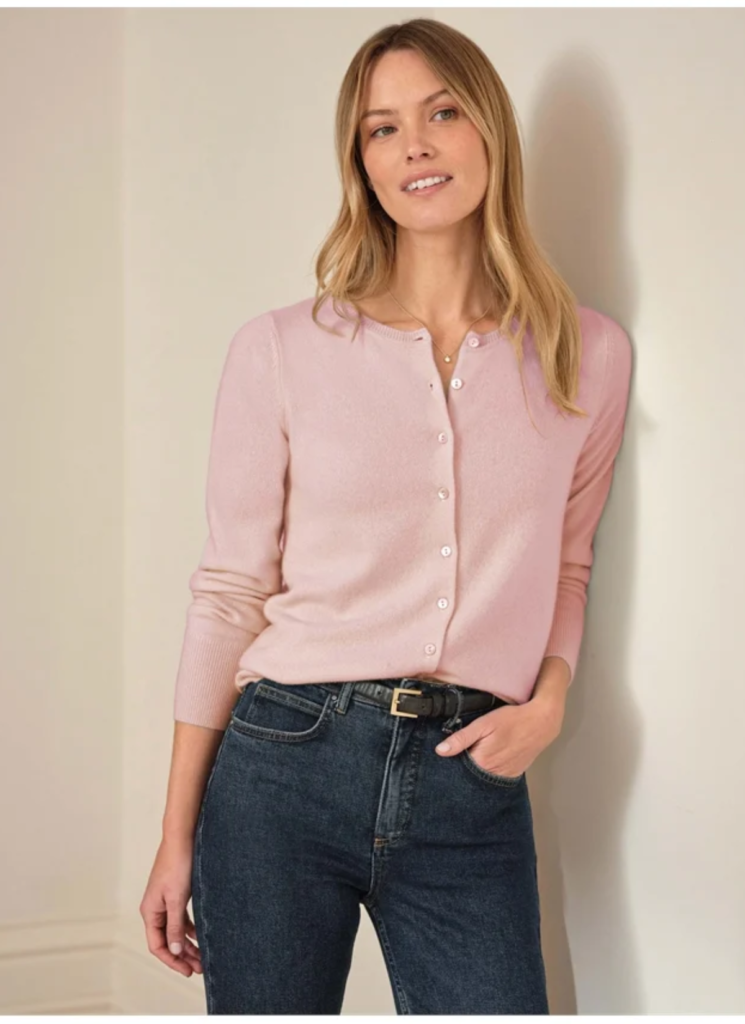
Pure Collection’s Cashmere Crew Neck Cardigan in Shell Pink is an option for women who prefer a softer colour palette. Shell pink can bring a gentle touch of colour to everyday clothing, particularly when paired with cream, grey, navy, or light denim. A crew-neck cardigan also offers a familiar silhouette that can work with dresses, tailored trousers, and casual weekend outfits.
When shopping for cashmere knitwear, pay attention to how the garment will fit into your existing wardrobe. A classic cardigan may offer more regular styling opportunities than a statement design, especially if you prefer to buy fewer pieces and wear them often. Check the current product page for the composition, sizing, price, and care instructions before ordering.
Pure Collection is included here as a broader luxury knitwear option rather than being presented as a Scottish manufacturer. This distinction matters when your priority is specifically to buy cashmere made in Scotland, rather than cashmere from any country.
6. Lucchi Italy: Women’s Poncho Exclusive Design – Black
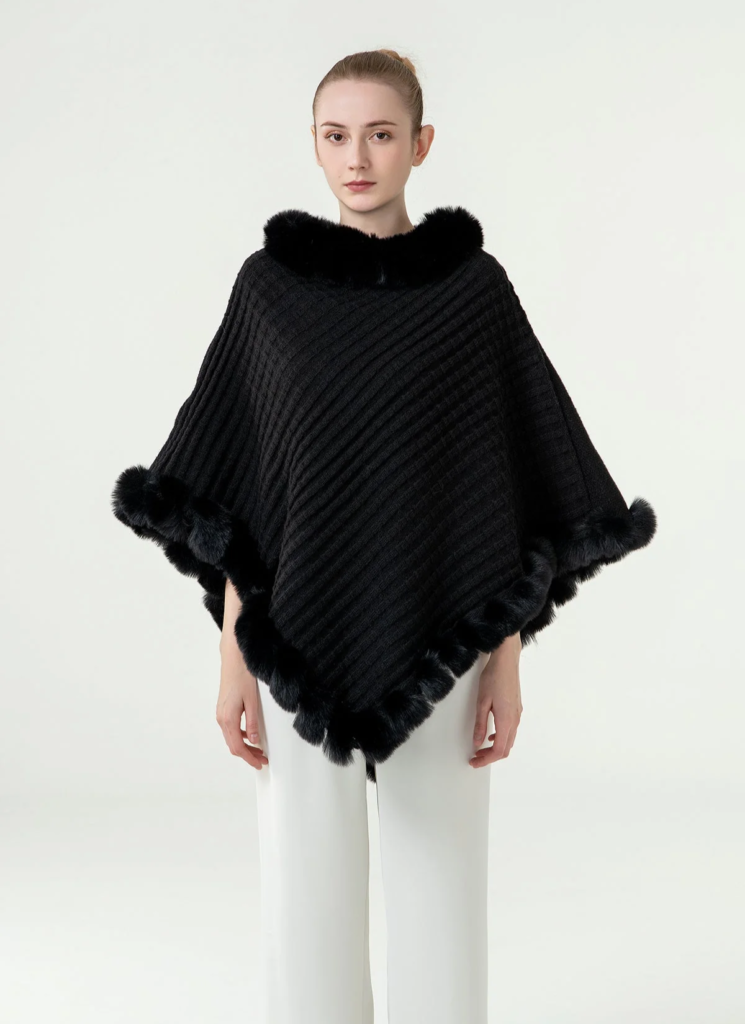
The Women’s Poncho Exclusive Design in Black from Lucchi Italy is worth considering if you prefer relaxed layers over fitted knitwear. A poncho can sit comfortably over a simple top or lightweight jumper, creating a flowing silhouette that feels different from a traditional cardigan. Black is particularly versatile because it can complement colourful clothing, monochrome outfits, and more formal combinations.
Before choosing this piece, review the exact material specification. The product name alone does not confirm whether it is pure cashmere, a cashmere blend, or another knitwear fabric. This is an important step when comparing luxury items because a similar appearance can be achieved with different fibres and manufacturing methods. Also consider the garment’s dimensions, weight, and care instructions to determine whether it suits your climate and layering preferences.
This poncho is best treated as a style option in the wider luxury knitwear market rather than automatic evidence of Scottish manufacturing. It may suit shoppers who want a modern, adaptable layer and prefer a clean black design.
7. N.Peal: Women’s Honeycomb Quarter-Zip Cashmere Jumper
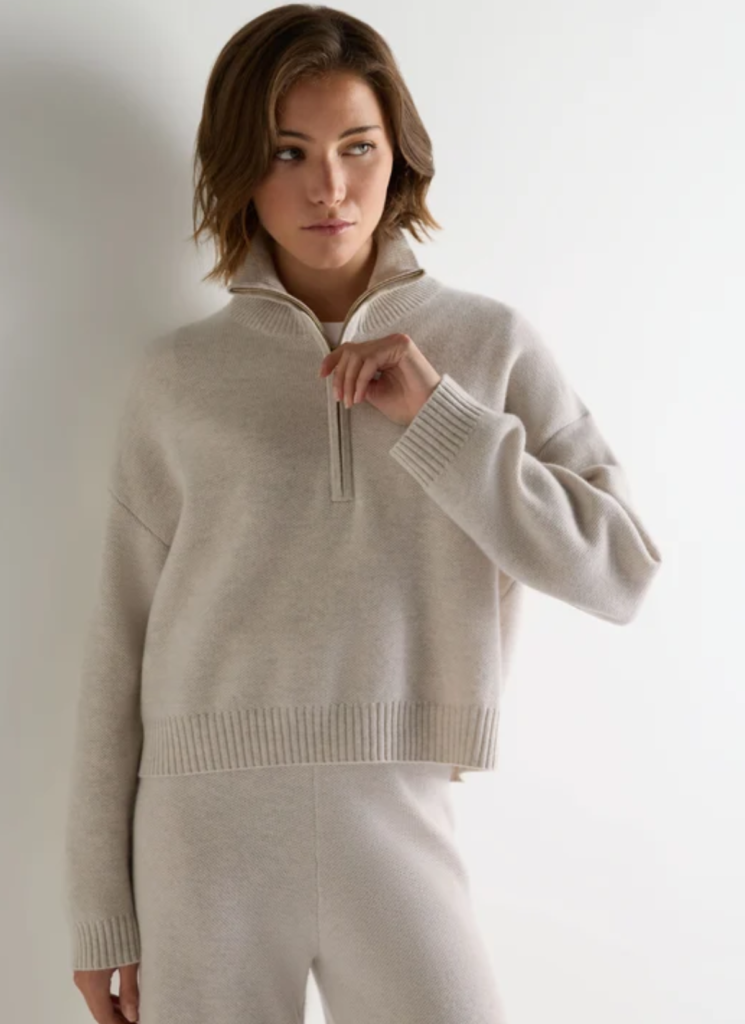
N.Peal is a luxury cashmere label with a strong association with refined knitwear. The Women’s Honeycomb Quarter-Zip Cashmere Jumper in Pebble Grey brings together a textured design and a practical neckline. Honeycomb knitting adds visual depth to the fabric, while a quarter-zip fastening offers more flexibility than a traditional crew neck. Pebble grey is also easy to coordinate with navy, black, white, and neutral trousers.
This type of jumper is a good example of how knitwear design can make cashmere feel contemporary. Instead of relying on a plain silhouette, the textured pattern adds character while keeping the colour understated. It may appeal to shoppers who want a premium jumper that works for relaxed weekends, travel, and smart-casual settings.
N.Peal should be considered here as an international luxury cashmere brand, not automatically as a Scottish manufacturer. If Scottish production is essential to your purchase, check the country-of-origin details for the exact garment.
8. Barrie: Long Cashmere and Cotton Dress with Lace Stripes
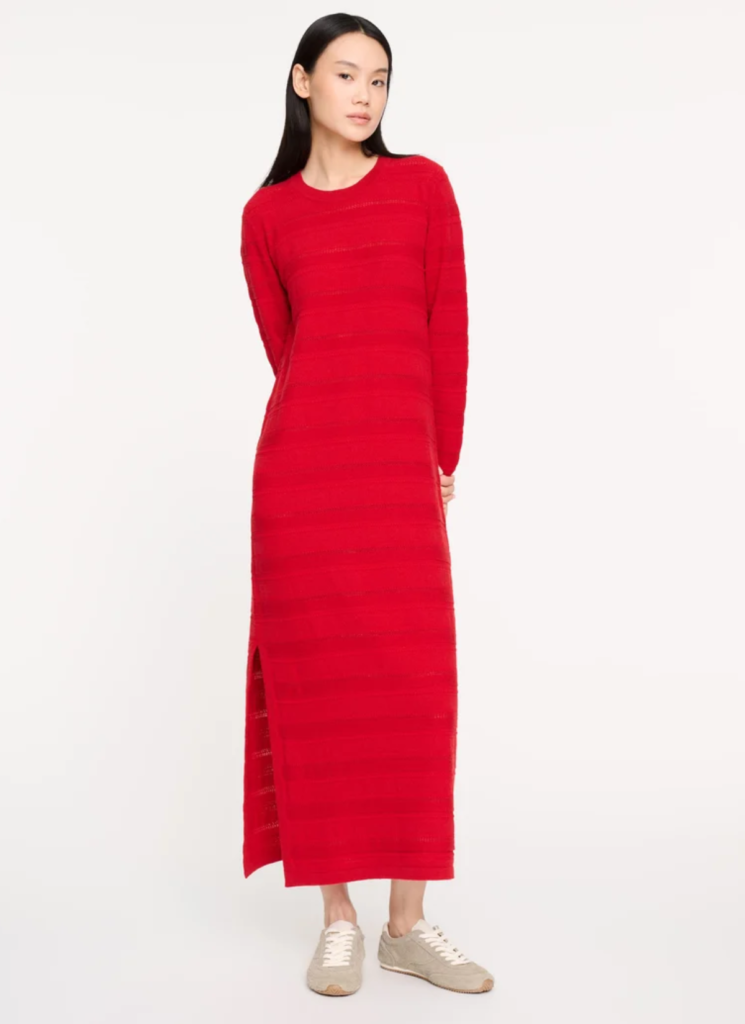
Barrie is a notable name in the Scottish cashmere and knitwear landscape, with a manufacturing heritage associated with Hawick. The Long Cashmere and Cotton Dress with Lace Stripes in Ruby shows how cashmere can extend beyond scarves and conventional jumpers into more fashion-focused garments. Its combination of cashmere, cotton, and decorative detailing offers a different approach to luxury knitwear.
A dress like this is suited to shoppers who want knitwear to be a central part of an outfit rather than simply a layering piece. The ruby colour creates a stronger visual statement than traditional grey or beige cashmere, while the lace-stripe detailing adds design interest. Depending on the fit and styling, it may work for a special lunch, an evening event, or a carefully styled daytime look.
Barrie is a useful name to investigate when researching Scottish knitwear expertise, but the manufacturing origin of the specific dress should still be checked on the product page. This is particularly important for luxury fashion houses whose collections may include varied designs and production details.
Best Cashmere Scarf Brands for Everyday Luxury
A cashmere scarf is often one of the easiest ways to introduce luxury into your wardrobe. Unlike a statement coat or an elaborate outfit, a scarf can be worn with clothing you already own, making it a practical choice for everyday use. However, not every premium-looking scarf offers the same combination of softness, warmth, construction, and durability. When comparing the best cashmere scarf brands, pay attention to the fibre composition, fabric weight, weave, dimensions, edge finishing, and care requirements. These details provide a much clearer picture of what you are buying than branding alone.
Scottish heritage manufacturers such as Johnstons of Elgin are worth exploring for their established textile expertise and Scottish production history. Edinburgh Cashmere is another option to investigate for patterned scarves and classic colour combinations. For buyers interested in international luxury fashion, labels such as N.Peal offer a different design perspective. The right choice depends on whether you prioritise Scottish manufacturing, a distinctive pattern, a minimalist aesthetic, or a particular price range.
Consider the following comparison when choosing a scarf.
| Brand or label | Product focus | Best suited for |
|---|---|---|
| Johnstons of Elgin | Heritage cashmere and fine wool accessories | Shoppers who value established Scottish manufacturing |
| Edinburgh Cashmere | Patterned scarves and cashmere accessories | Classic checks, neutral colours, and gifting |
| Scott Cashmere | Scarves and knitwear | Traditional patterns and everyday styling |
| N.Peal | Luxury cashmere knitwear and accessories | Contemporary luxury styling |
| Barrie | Designer knitwear | Fashion-focused luxury purchases |
For everyday wear, a medium-weight scarf in grey, navy, camel, or cream is usually easy to coordinate with different coats. For travel, consider a lightweight design that folds neatly into a bag without taking up too much space. For gifting, a classic pattern or a neutral cashmere scarf can be a safer choice than an unusually bold design, especially if you do not know the recipient’s preferences. For formal occasions, look for refined finishing and a colour that complements your outfit.
Price is another consideration. As one verified example, an Edinburgh Cashmere DC Edinburgh scarf in camel was listed at £175, while a related DC Scott lambswool scarf in camel and cream was listed at £65. These are examples from specific listings rather than a general price range for all scarves from either label.
Always check the exact product, composition, and current price before comparing value.
Is Scottish Cashmere the Best Cashmere in the World?
Scottish cashmere has a strong reputation because of the textile knowledge, manufacturing experience, and finishing expertise associated with established Scottish mills. But is it automatically the best cashmere in the world? Not necessarily. The quality of a finished cashmere garment depends on several connected factors, including the raw fibre, yarn construction, knitting or weaving technique, finishing process, and the standards applied during manufacturing. Scotland’s strength lies in its textile heritage and the expertise of manufacturers that continue to produce high-quality knitwear and accessories.
Cashmere fibre itself comes from goats rather than from a particular country of manufacture. Mongolia and China are important sources of cashmere fibre, while Scotland and Italy are known for specialist textile manufacturing and luxury knitwear. These roles can overlap, but they are not interchangeable. A Scottish-made garment may use fibre sourced from abroad, and a product made in Italy may use similarly sourced raw material. The finished quality will depend on how that fibre is selected, processed, and transformed into fabric.
When comparing cashmere from different regions, avoid relying on generalisations about nationality. Look for evidence of fibre quality, clear material labelling, reliable manufacturing information, and careful construction. Examine whether the garment feels comfortable, whether the knit is even, and whether the seams and edges are finished neatly. Responsible sourcing and transparency are also important because cashmere production involves animal welfare, grazing management, and the livelihoods of herding communities.
Ultimately, the best cashmere in the world is the product that meets your own requirements for comfort, construction, design, and value. Scottish cashmere deserves consideration for its heritage and manufacturing expertise, but the smartest purchase is one supported by clear product information rather than a country’s reputation alone.
How to Choose the Best Cashmere Brands for Your Wardrobe
Choosing between the best cashmere brands becomes much easier when you know what matters most to you. Some shoppers want a scarf that feels exceptionally soft, while others need a durable jumper for frequent use. You might prefer traditional Scottish checks, contemporary designer silhouettes, or simple knitwear that can be worn at work and on weekends. Instead of beginning with the brand name, identify the purpose of the purchase and then compare products that meet those requirements.
Check the Fibre Quality
Start by reading the fibre composition. A product described as 100% cashmere differs from one made with a cashmere-wool or cashmere-cotton blend. Neither category is automatically superior for every purpose, but knowing the composition helps you understand what to expect. The fibre should feel comfortable, and the fabric should have a consistent appearance without obvious thin patches or irregular construction. Do not judge quality by softness alone, as the structure of the yarn and garment also affects long-term performance.
Examine Craftsmanship and Construction
Look at the seams, cuffs, hems, neckline, and other areas that experience regular movement. On a scarf, examine the edges and fringes for neat finishing. On a jumper or cardigan, check whether the knitting is consistent and the seams lie flat. A well-constructed garment should feel balanced and appropriate for its intended use. These details are particularly important when paying a premium price.
Verify Origin and Transparency
If you specifically want Scottish-made cashmere, look for a clear statement that the garment was manufactured in Scotland. A Scottish brand name, a Scottish-inspired pattern, or a retailer based in Edinburgh does not independently establish where a product was made. Check the product page, country-of-origin label, and relevant brand information. Where fibre sourcing matters to you, look for details about the raw material and the company’s sourcing policies as well.
Choose a Design You Will Wear Often
Classic colours such as navy, charcoal, camel, cream, and black are easy to combine with everyday clothing. Traditional checks and understated patterns can also provide visual interest without limiting styling options. If you already own several neutral scarves, a richer colour or a distinctive print may add more value to your collection. Choose a silhouette and colour that complement your lifestyle rather than purchasing a design simply because it is popular.
Balance Price with Long-Term Value
A premium cashmere garment can be worthwhile if you use it regularly and care for it correctly. However, the most expensive option is not necessarily the best choice for your needs. Compare fibre composition, construction, versatility, maintenance, and the retailer’s return policy before deciding. A moderately priced scarf that works with most of your wardrobe may offer better practical value than an expensive piece that you rarely wear.
Scottish Cashmere vs Other Luxury Cashmere Brands
Scottish cashmere and international luxury cashmere products can both offer attractive choices, but their strengths may differ. Scottish manufacturers are often associated with traditional knitwear expertise, heritage patterns, and specialist fabric finishing. Italian luxury labels may appeal to shoppers who favour fashion-led silhouettes, distinctive colour combinations, and designer styling. Products manufactured in Mongolia or China may also offer high-quality cashmere, depending on the fibre selection and production standards. The manufacturing country alone cannot determine the final result.
| Comparison factor | Scottish-made cashmere | Cashmere made in Italy | Cashmere made in Mongolia or China |
|---|---|---|---|
| Manufacturing heritage | Established Scottish textile and knitwear traditions | Strong luxury fashion and textile traditions | Important roles in cashmere fibre production and textile manufacturing |
| Design possibilities | Traditional checks, classic knitwear, contemporary styles | Often includes fashion-led luxury designs | Varies widely by manufacturer and label |
| Fibre origin | May use imported cashmere fibre | May use imported cashmere fibre | May use locally sourced or imported fibre, depending on the producer |
| Quality considerations | Fibre selection, manufacturing, and finishing | Fibre selection, manufacturing, and finishing | Fibre selection, manufacturing, and finishing |
| Price positioning | Varies by brand, fibre, and construction | Varies by brand, fibre, and construction | Varies by producer, quality, and distribution |
| What to check | Country of manufacture and fibre composition | Country of manufacture and fibre composition | Country of manufacture and fibre composition |
The most important distinction is between where cashmere fibre originates and where the finished garment is made. If you value Scottish manufacturing, choose products with clear country-of-origin information. If you prefer a particular designer aesthetic, consider the design and construction alongside the brand’s reputation. If your priority is value for money, compare the same types of garments across several reputable retailers.
A Scottish-made scarf may be ideal for someone who appreciates heritage patterns and traditional craftsmanship. An Italian designer piece may be more suitable for someone looking for a distinctive fashion statement. Another manufacturer’s cashmere jumper could offer the right balance of price, fit, and comfort. There is no need to choose a product simply because it belongs to one geographical category. Compare the details and buy according to your own priorities.
How to Care for Scottish Cashmere to Keep It Timeless
Cashmere requires thoughtful care, but maintaining it does not have to be complicated. The first rule is to follow the manufacturer’s instructions because different garments may use different yarns, finishes, and constructions. Some cashmere products can be gently hand-washed, while others are labelled for dry cleaning only. A scarf that requires professional cleaning should not be treated in the same way as a washable jumper. Always read the care label before using water, detergent, or any cleaning product.
When hand-washing is permitted, use a suitable detergent and cool water, and handle the garment gently. Avoid rubbing, twisting, or stretching the fabric because these actions can affect the shape and surface. Rinse according to the care instructions, remove excess water carefully, and dry the garment in the recommended position. Many delicate knitted items should be dried flat rather than hung, as their weight can cause stretching when wet. Keep cashmere away from direct high heat unless the product’s care instructions state otherwise.
Pilling is another common concern. Small balls of fibre may develop where the fabric rubs against itself or other clothing. This does not automatically mean that a cashmere garment is poor quality, although the amount of pilling can vary according to fibre and yarn construction. Reduce friction by avoiding unnecessary abrasion and by storing scarves separately from rough accessories. If pilling develops, use a suitable cashmere comb or fabric tool carefully, following the manufacturer’s guidance.
Storage matters just as much as washing. Make sure garments are clean and completely dry before putting them away for an extended period. Fold knitwear neatly and store it in a cool, dry place. Protect natural fibres from moths and moisture, and avoid hanging heavy cashmere jumpers for long periods if doing so could distort their shape. With appropriate care, a well-made scarf or jumper can remain a useful part of your wardrobe for many seasons.
Are Scotland Cashmere Brands Worth the Investment?
For many shoppers, Scottish cashmere is worth considering because it combines a respected textile heritage with products that can be worn repeatedly. A well-chosen scarf, jumper, or cardigan can complement several outfits and remain relevant beyond a single fashion season. This makes cashmere particularly appealing to people who prefer a smaller wardrobe of versatile, well-made pieces rather than buying new accessories whenever trends change.
The best way to assess value is to think about cost per wear. Imagine purchasing a scarf that works with your winter coat, office clothing, and casual weekend outfits. If you wear it regularly for several seasons and maintain it properly, the initial cost may be easier to justify than that of an accessory used only occasionally. By contrast, an expensive piece that requires care you cannot realistically provide may not be the right investment for your lifestyle.
Craftsmanship also matters, but it should be supported by transparent product information. Look for accurate fibre descriptions, clear manufacturing details, and realistic care guidance. A brand’s reputation can be useful when narrowing down your choices, yet it should not replace checking the actual garment. Consider whether the fabric feels suitable, whether the design fits your wardrobe, and whether the price reflects the quality offered.
If you are buying your first premium cashmere piece, a classic scarf may be a sensible starting point. It is generally easier to style than a more distinctive garment and can also make an attractive gift. If you already own several scarves, a well-made jumper or cardigan may add more variety to your collection. The key is to prioritise quality, comfort, transparency, and versatility over brand prestige alone.
Frequently Asked Questions About Scotland Cashmere Brands
Which are the best Scotland cashmere brands?
Johnstons of Elgin is one of the best-known Scottish cashmere manufacturers, with a history dating to 1797 and continued manufacturing operations in Scotland. Barrie is another notable name associated with Scottish knitwear, particularly its Hawick heritage. Edinburgh Cashmere and Scott Cashmere are also options to explore for scarves and related accessories. When comparing them, check the specific product’s fibre composition, country of manufacture, design, and price rather than assuming every item from every label is made in Scotland.
Is cashmere made in Scotland better quality?
Cashmere made in Scotland can benefit from established textile manufacturing expertise and specialist finishing techniques. However, the manufacturing location alone does not guarantee superior quality. Fibre selection, yarn construction, garment design, and finishing all influence the result. A high-quality product from another country may perform just as well, so compare the actual materials and construction before deciding.
What are the best cashmere scarf brands?
Johnstons of Elgin is worth considering for Scottish heritage cashmere and fine wool accessories. Edinburgh Cashmere and Scott Cashmere offer additional options for shoppers interested in patterned scarves and classic designs. N.Peal is another label to explore for luxury cashmere products. The best brand for you will depend on whether you prioritise Scottish manufacture, a particular design, material composition, or a specific budget.
Which country makes the best cashmere in the world?
There is no single country that makes the best cashmere for every buyer. Mongolia and China are important sources of cashmere fibre, while Scotland and Italy are associated with specialist textile manufacturing and luxury knitwear. The finished product depends on fibre quality, processing, construction, and finishing. Look at the garment’s specifications and manufacturing details instead of relying on the country name alone.
How can you tell if cashmere is high quality?
Begin by checking whether the product is made from pure cashmere or a blend. Examine the fabric for consistent knitting, neat seams, and careful finishing, and assess whether it feels comfortable against your skin. Read the care instructions and look for clear information about fibre origin and manufacturing location. Softness is desirable, but it is not enough on its own to establish durability or overall quality.
Is Scottish cashmere worth the price?
Scottish cashmere can be worth the price if you value the craftsmanship, comfort, design, and manufacturing heritage behind the garment. A versatile scarf or jumper that you wear regularly may offer good long-term value. However, not every premium item will suit every budget or lifestyle. Compare materials, construction, versatility, and care requirements before deciding whether the extra cost is justified.
Final Thoughts on Scotland Cashmere Brands
Scottish cashmere continues to attract luxury shoppers because it brings together a rich textile heritage, specialist manufacturing knowledge, and timeless wardrobe appeal. From the established Scottish production history of Johnstons of Elgin to classic scarf designs and contemporary knitwear, there are options for different tastes and budgets. Whether you are buying a cashmere scarf for everyday wear, a jumper for colder months, or an elegant gift, understanding the material and construction will help you make a more confident decision.
When exploring Scotland cashmere brands, remember to distinguish the origin of the fibre from the location of manufacture. Check the product description, assess the finishing, consider the care requirements, and choose a design that suits your personal style. Scottish manufacturing can be a meaningful reason to choose a product, but lasting value comes from the combination of quality, comfort, versatility, and thoughtful construction.
Ready to find your next luxury knitwear piece? Explore the featured collections, compare the available cashmere scarves and jumpers, and select a design that complements your wardrobe. A carefully chosen cashmere accessory can bring warmth, elegance, and a timeless finishing touch to your everyday style.
Read Next – How to Choose the Perfect Luxury Scarves for Women
